What Your About Page Should Actually Say
Most local business About pages are a waste of a click. They say something like "We are a family-owned company dedicated to quality and customer satisfaction" and then stop. Every company says that. None of it means anything.
Your About page is where a potential customer decides whether to trust you. They're about to let you into their home, hire you to build something, or hand over their brand. They want to know who you actually are. Give them a real answer.
Here's what works.
Lead with who you serve, not who you are
It sounds backwards, but the first thing on your About page shouldn't be about you. It should make the reader feel like you understand them.
A single line like "We build websites for Tampa Bay tradespeople who are tired of losing jobs to competitors with better online presence" tells a visitor: you get my situation. That earns the next few seconds of attention. Then you can get into your story.
Tell people how you got here
Not a corporate timeline. A real, short answer to "why did you start this business?"
People connect with a specific reason. "I kept watching my dad's tile company lose bids to guys with flashy websites, so I started learning web design" is memorable. "We founded our company in 2019 with a mission to provide excellence" is not.
Keep it to two or three sentences. You're not writing a memoir.
Show faces
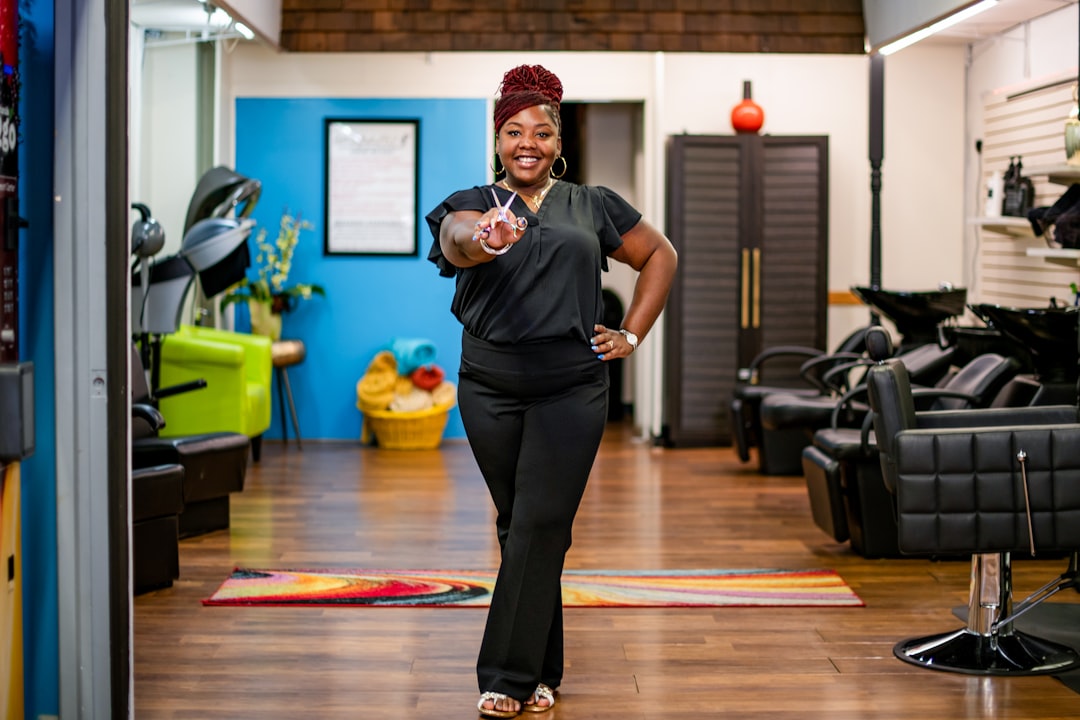
Put a photo of yourself on the page. If you have a small team, put photos of all of them. Real people, not stock photos.
This matters more than most business owners realize. For service companies especially, people are hiring a person as much as a business. A headshot does more for trust than a paragraph of text. It also helps Google understand your business is real and locally operated.
If you're camera-shy, a good phone photo in decent light beats nothing by a wide margin.
Say where you're from and where you work
Your About page is a missed SEO opportunity if you don't mention your service area clearly. Not buried in a footer. Right on the page.
Something like "Based in New Port Richey, we serve businesses across Pasco and Pinellas County" signals to Google and to your reader that you're a local operation. Locals trust locals. And search engines use that geographic context when deciding whether to show you to nearby searchers.
List your credentials without bragging
Years in business, licenses, certifications, associations, awards. These belong on the About page. But present them as facts, not as a highlight reel.
"Licensed general contractor in Florida, CBC1264485" is more convincing than "We are highly qualified industry professionals." One is verifiable. The other is noise.
If you've done notable projects or worked with recognizable names, mention them. Specific beats vague every time.
Social proof belongs here too
A short quote from a real customer fits naturally on an About page. It doesn't have to be your longest or most effusive review. Something specific and genuine works better than a glowing five-paragraph testimonial.
"They redesigned our site in under two weeks and our phones started ringing more" is the kind of quote that lands. It's concrete, it implies a result, and it sounds like a real person said it.
End with a next step
Don't leave people reading about you with nowhere to go. A short line at the bottom of the page pointing them toward your services or your contact form keeps the momentum going.
It doesn't have to be pushy. "Want to see what we've built? Check out our work." or "Ready to talk? We're easy to reach." Either works fine.
Your About page isn't a bio. It's a trust-building tool with a job to do. The businesses that treat it that way tend to be the ones that convert more of their website visitors into actual customers.
If your About page hasn't been touched since you launched your site, it's probably due for an update. We help Tampa Bay businesses fix exactly this kind of thing. Get in touch and we'll take a look.

On Point
Web design, SEO & AI chatbots for local businesses in Pinellas & Pasco County, FL.
Ready to grow your business online?
Get Your Free Strategy Call →