The Unspoken Checklist Customers Run on Your Website Before They Call
Nobody calls a stranger without vetting them first. That's true in real life, and it's especially true when someone finds your business online. Before they pick up the phone or fill out your contact form, they're running a fast, mostly unconscious background check on your website. Takes about 20 seconds. If your site passes, they call. If it doesn't, they go back to Google and try the next result.
Most small business owners don't know this is happening. They built their site to show what they do, not to answer the questions people actually ask before they commit.
Here's what those questions are.
Are you real?This sounds basic, but it's the first thing people clock. They want signs that a real person or team is behind the business. That means actual photos of you, your crew, your truck, your shop, your work. Stock photos of smiling strangers with perfect teeth don't count. People can spot them in a second, and they register as a red flag, even if the visitor couldn't explain why.
An About page with a real name, a short bio, and a face goes a long way. It doesn't need to be long. Three sentences and a photo is enough to say "there's a human being here." Without it, you're just a logo and a phone number. Lots of businesses look like that. The ones that convert don't.
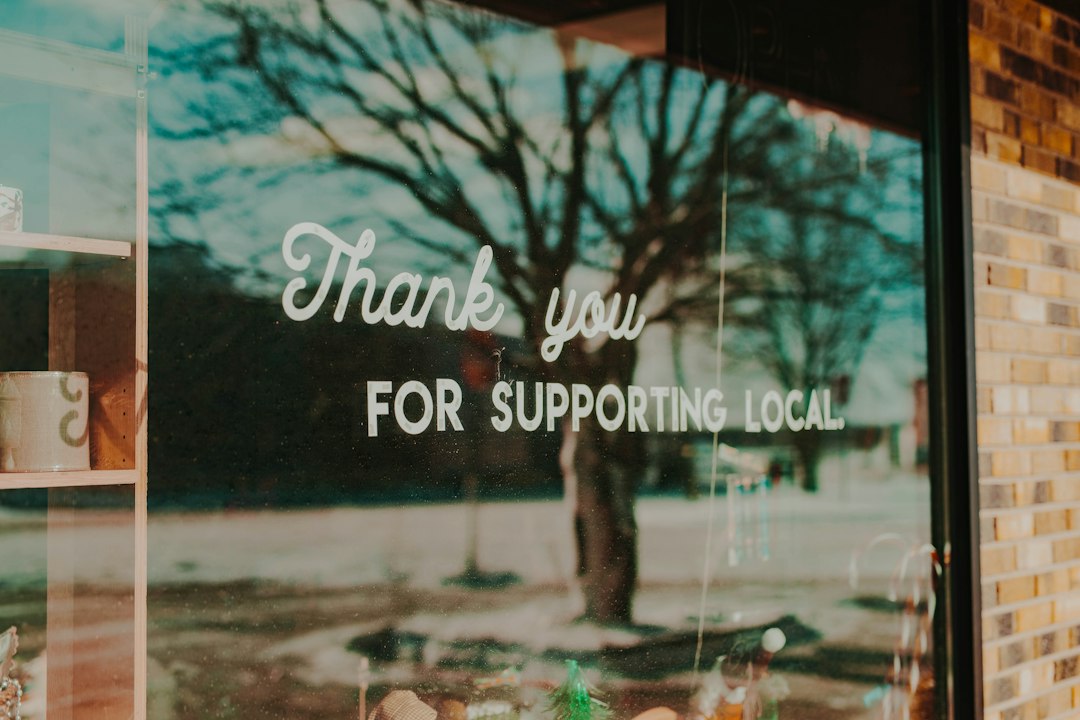
Are you actually local?If you serve the Tampa Bay area, it needs to say so clearly. Not buried in the footer, not implied by your area code. Somewhere prominent. "Serving Pasco and Pinellas County since 2018" does more work than most business owners realize. It tells visitors you're not some national call center. It signals you know the area. And for people who want to support local businesses, it closes the deal.
This matters even more now that AI search results are sending people to websites with a specific expectation already set. They arrived because something told them you serve their area. Confirm it fast.
Do other people trust you?Reviews on your Google Business Profile matter, but a lot of people also look for social proof directly on your site. A few testimonials from real customers, with names and ideally a neighborhood or city, carry serious weight. "Mike, New Port Richey" reads more credibly than a generic five-star blurb. You don't need twenty. Three good ones, placed near your contact section, will do more than a wall of generic praise.
If you've got before-and-after photos, gallery work, or project results, show them. People aren't just trusting you with their money. They're trusting you in their home, with their business, with something they care about. Evidence of past work answers the question before they have to ask.
Can I reach you easily?Your phone number should be in the header of every page. Tappable on mobile. Not just in the contact section at the bottom, not just in a form. Right there, at the top, where someone can tap it without scrolling.
Same goes for your hours. If you're a service business and you don't show your hours, a portion of visitors will assume you might be closed or hard to reach and move on. Takes about ten seconds to add. Worth doing.
Does this site feel current?This one is subtle but real. A website that looks like it hasn't been touched since 2015 signals that the business might not be active. Outdated copyright years in the footer. Broken links. Photos that look a decade old. Events or promotions listed from years past. None of these is a dealbreaker on its own, but they stack up into a feeling of "this business might not be on top of things." And if you're a service business, that feeling is exactly what you don't want.
It doesn't take a full redesign to fix this. Update the footer year. Pull outdated content. Put a recent date on something visible. Small things.
The businesses that consistently get calls from their websites aren't necessarily the prettiest or the biggest. They're the ones that answer these questions without making the visitor work for it. Real people, clear service area, proof of past work, easy contact, and a site that feels alive.
If your site is missing two or three of those, that's where to start.
On Point builds websites for local businesses in Pinellas and Pasco County that answer the right questions before customers have to ask them. If yours isn't doing that, let's talk.

On Point
Web design, SEO & AI chatbots for local businesses in Pinellas & Pasco County, FL.
Ready to grow your business online?
Get Your Free Strategy Call →