7 Trust Signals Your Website Needs (Or You're Losing Customers)
7 Trust Signals Your Website Needs (Or You're Losing Customers)
People don't buy from websites they don't trust. It's that simple.
You could have the best service in Pinellas County, but if your website gives off even a hint of "is this legit?" — visitors bounce. They don't fill out the form. They don't call. They just leave and find someone who looks more credible.
The good news? Trust isn't hard to build online. You just need the right signals in the right places. Here are seven that actually move the needle.
1. Real Photos of Real People
Stock photos of handshaking businesspeople in suits? Everyone can spot those from a mile away. And they do the opposite of what you want — they make your business feel fake.
Use real photos. Your team, your workspace, your work in action. They don't need to be professional headshots (though those help). A candid shot from a job site or your office tells people there are actual humans behind this website.
If you're a one-person operation, that's fine. A good headshot on your About page goes a long way.
2. Reviews and Testimonials — Front and Center
Not buried on a testimonials page nobody visits. Put them on your homepage, your services page, and anywhere someone might be making a decision.
Google reviews carry the most weight because people know they can't be faked easily. Embed them directly or pull quotes with the reviewer's name (first name and last initial is fine). The more specific the testimonial, the better. "Great service!" means nothing. "They redesigned our site and we saw 40% more calls within a month" — that's persuasive.
3. A Physical Address and Phone Number
This might sound obvious, but you'd be surprised how many local businesses hide their contact information. If you serve the Tampa Bay area, say so. Put your address in the footer. Put your phone number where people can find it without hunting.
For local businesses especially, this is non-negotiable. People want to know you're nearby and reachable. A local phone number (727, 813, 352) beats a toll-free number every time for a small business.
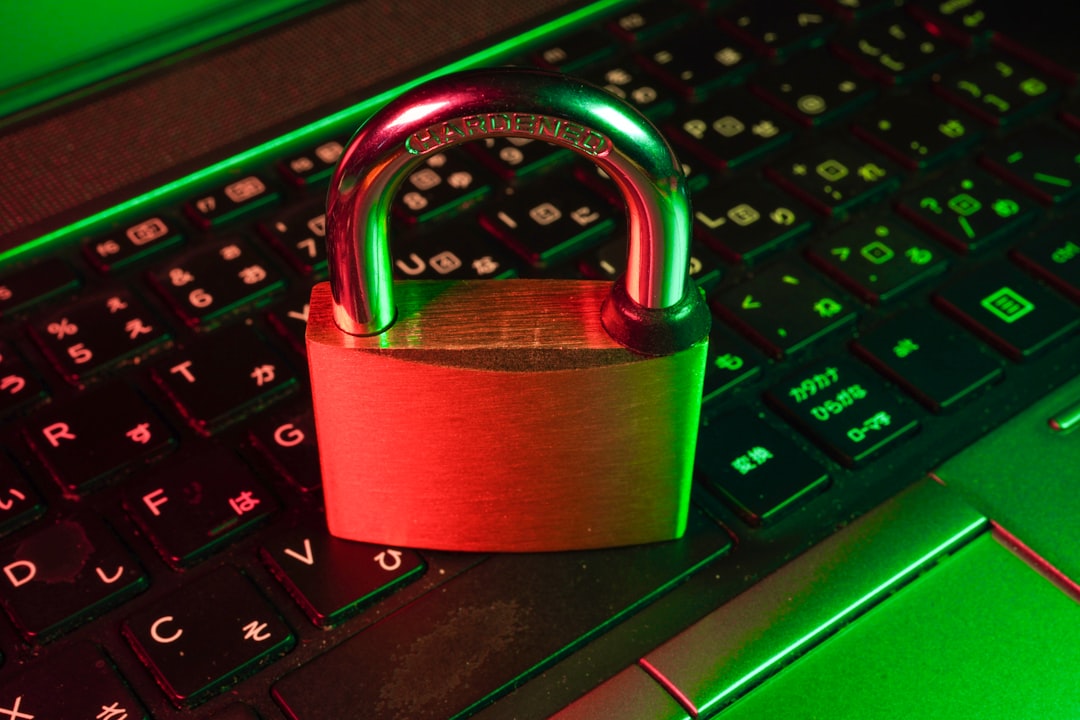
4. An SSL Certificate (The Padlock Icon)
If your website still shows "Not Secure" in the browser bar, stop everything and fix that first. It's 2026 — there's no excuse. Most hosting providers include SSL for free.
Beyond security, Google uses HTTPS as a ranking signal. And visitors absolutely notice that missing padlock. It's one of those things where not having it actively hurts you.
5. Clear, Specific Service Pages
Vague service descriptions breed distrust. "We offer comprehensive digital solutions" tells a visitor nothing. What do you actually do? For whom? In what area?
Each service you offer should have its own page with:
- What the service includes
- Who it's for
- What the process looks like
- What it costs (or at least a starting range)
People trust businesses that are transparent about what they do and what it costs. The ones that hide pricing or stay vague? They feel like they have something to hide.
6. Case Studies or Before/After Examples
Nothing builds credibility faster than showing your work. If you're a contractor, show the before and after. If you're a web designer, show the old site versus the new one. If you're a marketing agency, share the numbers.
You don't need a fancy case study page. Even a simple "Here's what we did for [Client Name]" section with a few photos and results works. It proves you've done this before and can do it again.
7. Professional, Consistent Design
This one's meta, but it matters: the design of your website is a trust signal. Mismatched fonts, blurry images, broken links, pages that look different from each other — all of these tell visitors "this business doesn't pay attention to details."
Consistency is key. Same fonts, same colors, same tone throughout. Everything should feel like it belongs together. And it should work flawlessly on mobile — that's where most of your visitors are.
The Bottom Line
Trust isn't about one magic element. It's about the accumulation of small signals that tell a visitor: "This business is real, competent, and worth your time."
Look at your website right now. How many of these seven signals does it have? If the answer is less than five, you're probably losing customers you don't even know about.
Need help building a website that earns trust from the first click? Get in touch with On Point — we build sites for small businesses across Pinellas and Pasco County that look sharp, load fast, and actually convert.
On Point
Web design, SEO & AI chatbots for local businesses in Pinellas & Pasco County, FL.
Ready to grow your business online?
Get Your Free Strategy Call →